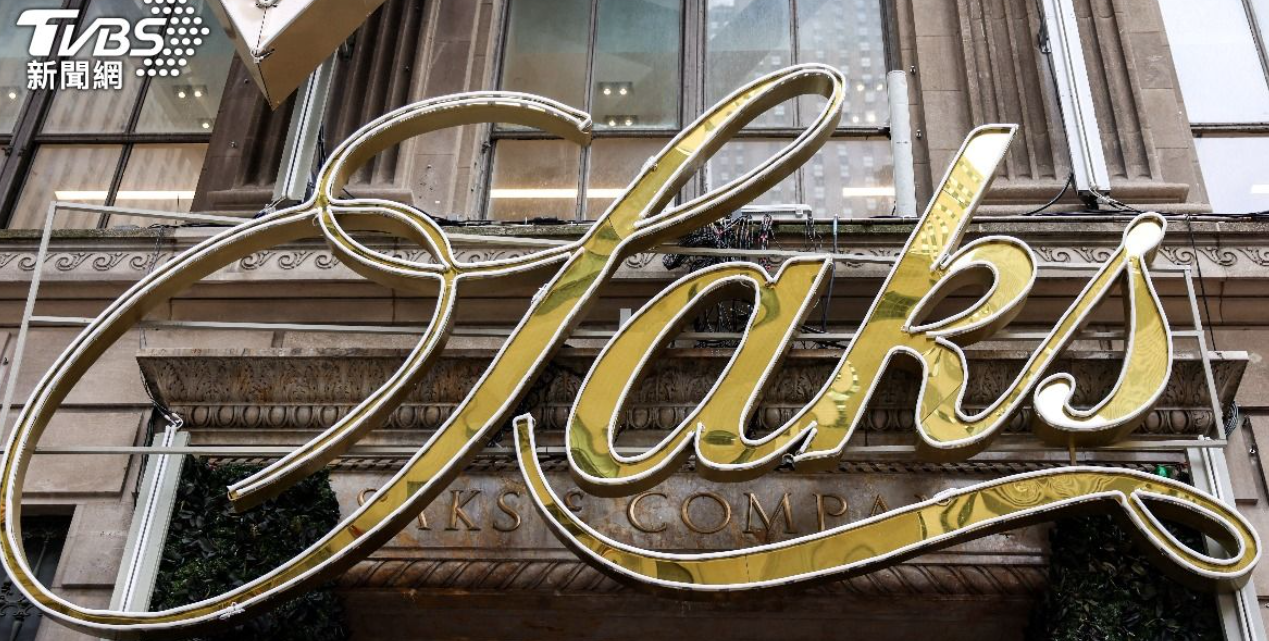
Saks Global Files for Bankruptcy Protection
One of the Largest Post-Pandemic Retail Bankruptcies
The global retail sector continues to face significant headwinds. On January 13 (U.S. time), Saks Global, a century-old luxury department store operator, filed for Chapter 11 bankruptcy protection in the U.S. Bankruptcy Court for the Southern District of Texas. The filing represents one of the most significant retail bankruptcies in the post-pandemic era.
Background and Financial Pressure
Saks Global has recently faced mounting legal challenges, as multiple suppliers filed lawsuits alleging non-payment for goods that were sold and delivered. In 2024, the company acquired Neiman Marcus through the issuance of USD 2.2 billion in high-yield bonds, a move intended to expand scale, improve efficiency, and strengthen its luxury brand portfolio.
However, the acquisition significantly increased the company’s debt burden and interest expenses, ultimately straining cash flow. As a result, Saks Global has been unable to meet supplier payment obligations, leading approximately 140 brand partners to suspend shipments until payment assurances are restored.
Restructuring and Financing Plan
To maintain operations during restructuring, Saks Global is pursuing a USD 1.75 billion financing package. In addition, banks are expected to provide USD 250 million in asset-backed loans. Upon successful emergence from bankruptcy protection, the company’s investment consortium plans to inject an additional USD 500 million in capital.
Key Takeaways
-
High leverage from debt-financed acquisitions poses significant risk in a weak retail environment
-
Supplier confidence and liquidity management are critical to operational continuity
-
Successful restructuring will depend on financing execution and cost discipline